Building Your Future: Vital Services Delivered by Home Builders
Identifying the best home builder is a vital step in making dreams come true. Home builders provide a range of significant services that can substantially impact the construction process. From personalized design consultations to project management, these services confirm that projects meet client expectations. Knowing these services is crucial for making well-considered decisions. However, the question remains: what key services should homeowners prioritize when choosing a builder?
Why Choosing the Right Home Builder Matters
When choosing a home builder, the decision carries significant weight, as this choice can significantly affect the overall quality and satisfaction of the home-buying experience. A trustworthy builder confirms that construction standards are met, which directly influences the durability and security of the home. Furthermore, the builder's proficiency and background can influence the design process and commitment to schedules, ultimately determining the homeowner's experience.
Choosing the best builder also encourages open dialogue and teamwork, allowing for a more seamless shift from idea to reality. Those building a home who take the time to researching builders can prevent costly mistakes, such as budget overruns and subpar workmanship. Moreover, a experienced contractor often maintains connections to suppliers and subcontractors, improving the overall efficiency of the project. Ultimately, selecting carefully leads to a customized home that captures the owner's unique vision, safeguarding their financial commitment for the long term.
Important Services Delivered by Home Builders
Home builders provide critical services that form the basis of effective building projects. Key offerings include architectural design and planning solutions, which assist clients in bringing their visions to life, and project management solutions that ensure projects are completed with precision. Combined, these offerings are fundamental to transforming ideas into tangible results.
Planning and Design Services
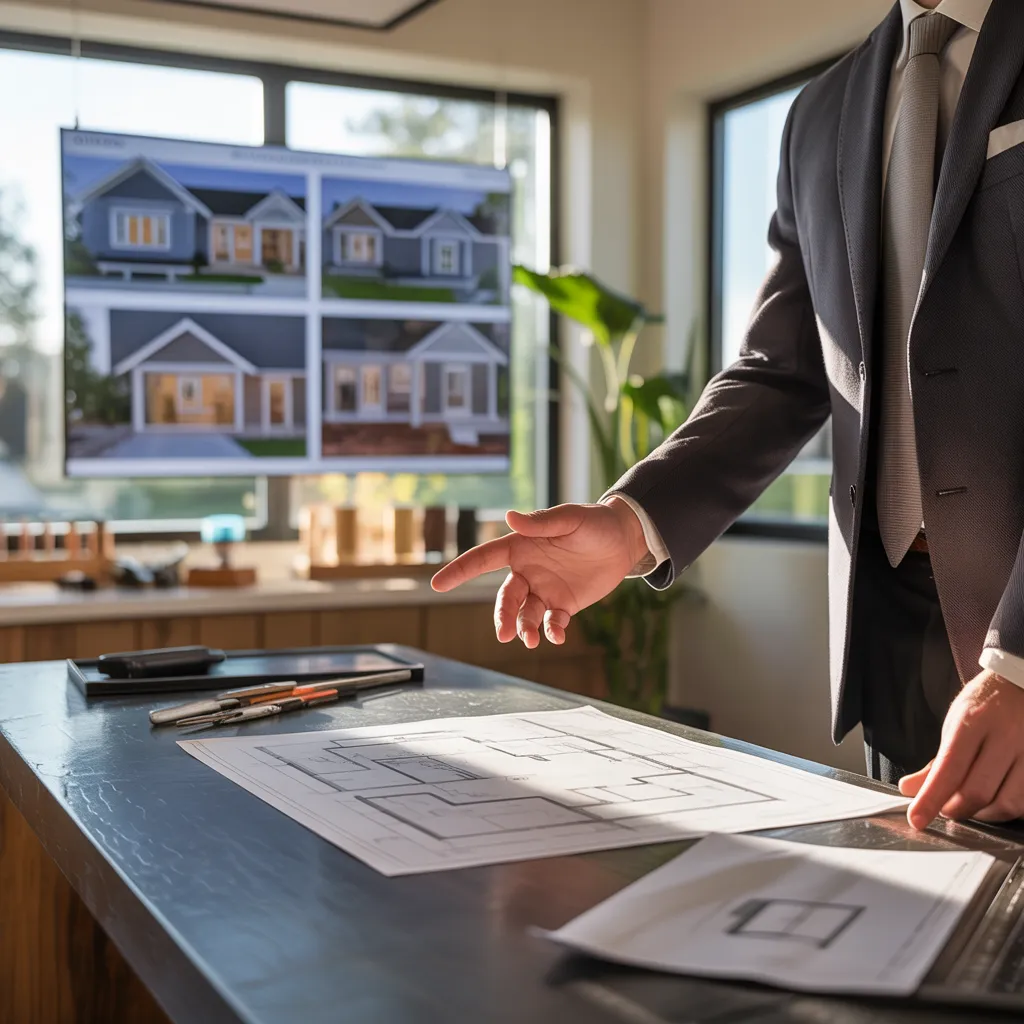
Effective design and planning services form the foundation of successful home building projects. Home builders provide thorough design consultations to gain insight into client needs and preferences, making certain that each project captures the homeowner's vision. These solutions cover site analysis, feasibility studies, and architectural design, providing personalized solutions that optimize functionality and aesthetics. Builders collaborate with architects and engineers to create detailed blueprints, ensuring compliance with local regulations and building codes. Moreover, innovative technology, such as 3D modeling and virtual reality, elevates the design process, giving clients a vivid visualization of their future home. By prioritizing meticulous planning, home builders lay the groundwork for efficient construction and enduring quality, ultimately resulting in a rewarding homeownership experience.
Building Construction Management Solutions
Simplifying the construction process is a vital focus for home builders, who provide detailed management solutions to ensure projects run smoothly from start to finish. These solutions encompass various aspects, including scheduling, budgeting, and resource allocation, guaranteeing that all elements align with the project timeline. Home builders manage subcontractors, handle procurement of materials, and oversee quality control to maintain high standards. Regular communication with clients also plays an important role, as it keeps stakeholders informed and connected throughout the construction journey. By utilizing advanced project management tools and practices, home builders can successfully mitigate risks and adapt to challenges, ultimately producing homes that meet client expectations on time and within budget.
Customization and Design Services From Home Builders
Home builders offer custom design offerings designed to meet individual preferences. These offerings feature tailored design meetings, allowing clients to express their ideas, in addition to customized floor plan solutions that optimize living spaces. Furthermore, creative material choices give homeowners the chance to create a unique and lasting aesthetic for their living environments.
Personalized Design Consultations
Bringing a vision to life, tailored design meetings give clients the ability to work directly alongside home builders. These sessions provide clients with a space to express their unique preferences and lifestyle needs, guaranteeing that each design component meets their vision. Home builders support this journey by offering specialized knowledge on building materials, design styles, and efficient layouts, assisting clients in exploring the wide range of options. Through engaging conversations and design visuals, clients gain clarity on how their ideas can be practically implemented. This joint strategy not only strengthens the client's participation in the building experience but also cultivates a feeling of pride and fulfillment, ultimately leading to a home that truly reflects their individuality and aspirations.
Bespoke Floor Plan Alternatives
Building upon the foundation developed during personalized design consultations, tailored floor plan options provide clients the freedom to shape their home environments according to individual requirements and desires. Residential builders present a variety of layouts that can accommodate different living situations, whether for families with children, single professionals, or retirees. Buyers can choose among multiple configurations, including open floor plan layouts or traditional layouts, guaranteeing every home aligns with their unique vision. Furthermore, construction professionals often permit modifications, such as adjusting room sizes or including amenities like personal offices or utility rooms. This tailoring process not only boosts usability but also builds a more meaningful relationship between homeowners and their homes, contributing to fulfillment and a feeling of ownership in their brand-new residences.
Progressive Material Selections
As homeowners work to craft their ideal living environments, cutting-edge material options play an essential role in the tailored design services provided by professional builders. These options cover a range of environmentally friendly, resilient, and attractive materials, from sustainable flooring solutions to advanced wall surfacing options. Builders often collaborate with clients to find materials suited to their personal vision while guaranteeing durability and practicality. The integration of sophisticated technologies, such as 3D visualization tools, allows clients to visualize how different materials will look and feel in their residences. Additionally, incorporating local and recycled materials not only advances eco-friendly practices but also supports community economies. At their core, these progressive material options allow clients to tailor their living areas, enhancing both comfort and value in their upcoming living spaces.
Why Project Management Is Crucial in Home Building
Efficient project management forms the foundation of successful home construction. It encompasses careful planning, coordination, and execution to ensure that every stage of construction stays within timelines and budgets. Skilled project managers oversee the entire process, from initial design to final inspection, facilitating communication among architects, subcontractors, and clients. This consolidated management approach aids in minimizing risks, resolving potential concerns proactively, and refining workflows, ultimately boosting operational efficiency.
Additionally, effective project management helps builders to manage resources strategically, ensuring that resources and workforce are optimized to their highest potential. Through following a precise project schedule, project managers can identify potential delays and execute resolutions rapidly, minimizing disruptions. Project management responsibilities further include quality assurance, guaranteeing that the final product meets both aesthetic and structural standards. At its core, robust project management not only facilitates the successful delivery of home construction projects but also promotes client trust through clear workflows and dependable results.
The Role of Home Builders in Managing Permits and Regulations
Navigating the intricate landscape of regulations and permits is an important service that home construction professionals provide. They play an vital role in making certain that all essential permits are acquired before construction starts. This includes zoning approvals, structural permits, and environmental assessments, all of which are crucial for compliance with local laws.
Residential builders are deeply familiar with the specific guidelines that apply to their specific localities, enabling them to handle the frequently complicated administrative procedures effectively. They commonly cultivate professional ties with regional governing bodies, enabling more efficient dialogue and faster permit processing. Furthermore, builders can help clients understand the significance of applicable codes and standards, ensuring that projects align with safety standards and community codes.
What You Should Look for When Picking a Home Builder
Selecting the ideal homebuilder can significantly impact the success of a home construction project. Future homeowners should begin by assessing the contractor's reputation and experience within the local area. Reviewing customer reviews and testimonials offers insight into prior performance and customer satisfaction.
Furthermore, it is essential to assess the builder's portfolio, which highlights completed projects that align with the homeowner's vision and style preferences. Additionally, checking for proper credentials and coverage ensures that the builder adheres to local codes and minimizes potential liabilities.
Another critical element is communication; an effective builder should be responsive and transparent throughout the process. Furthermore, familiarizing oneself with the warranty coverage and post-build services provided can bring confidence to the homeowner. By considering these aspects, individuals can make an informed choice, ultimately leading to a successful and satisfying home-building experience.
Common Questions and Answers
How Long Does the Home Building Process Typically Take?
Home construction usually spans 6 to 12 months, depending on various factors such as weather conditions, design complexity, and local regulations. Complications may stem from unforeseen construction challenges or supply chain disruptions.
What Financing Options Do Most Home Builders Typically Offer?
Residential builders generally present various financing options, comprising building loans, fixed-rate home loans, and customized payment plans. These offerings address varied financial circumstances, empowering homeowners to identify the most suitable solution for their read more home-building needs.
Are Warranties Included With New Homes?
The majority of new homes are accompanied by builder warranties that protect against structural issues and certain materials for a specified duration. These warranties give buyers confidence, ensuring safeguarding against possible problems that could occur after closing.
Can I Visit the Construction Site During the Build?
Visitors are commonly welcomed at construction sites, but it's crucial to consult with the builder beforehand. Safety procedures must be observed, and access may be restricted during specific phases or due to safety regulations.
How Do Home Builders Deal With Unexpected Delays or Challenges?
Home builders typically manage unforeseen setbacks by evaluating the situation, communicating transparently with clients, and revising project timelines and budgets when necessary. Their approach centers on resolving issues to reduce project interruptions and maintain project momentum throughout the construction process.